
Custom Next.js Web Application Development
Experience the ultimate fusion of sub-second speed, dynamic application logic, and native search engine crawlability. Topee Solutions builds full-stack Next.js web applications powered by React Server Components, App Router architecture, Incremental Static Regeneration (ISR), and serverless Edge API routes.
The Four Pillars of Our Next.js Application Architecture
We leverage Next.js features to build applications that deliver instantaneous page transitions and dynamic server-side responsiveness.
Hybrid Rendering (SSR, SSG & ISR)
Next.js allows us to select the optimal rendering strategy per route. Static pages load instantly from edge caches (SSG), dynamic dashboards render live server data (SSR), and catalog pages update in the background without full site rebuilds (ISR).
- Server-Side Rendering (SSR) for real-time data feeds
- Static Site Generation (SSG) for sub-100ms loading
- Incremental Static Regeneration (ISR) background updates
- Zero JavaScript payload overhead on static views
React Server Components & App Router
By utilizing Next.js App Router architecture, we render heavy application components on the server before transmitting pure HTML streams to the browser. This dramatically reduces client-side JavaScript bundle sizes and boosts mobile performance across all network conditions.
- Server-first React component architecture
- Streaming HTML responses with Suspense boundaries
- Nested layout structures with zero re-render flicker
- Automatic client code-splitting & route prefetching
Serverless Edge API Routes & Webhooks
Next.js API routes run on distributed edge networks close to your users. We engineer secure REST and GraphQL endpoints that communicate directly with third-party databases, CRM systems, and payment gateways without exposing secret keys.
- Edge runtime execution for single-digit millisecond latency
- Secure CORS-restricted API proxy endpoints
- Webhook event listeners for real-time integrations
- JWT & OAuth2 token authorization middleware
Native Search Engine Visibility
Unlike traditional Client-Side Single Page Applications (SPAs) that search engines struggle to index, Next.js applications serve fully hydrated HTML directly to Googlebot, ensuring perfect indexation and top rankings across competitive keywords.
- Dynamic Metadata API for automated page titles/descriptions
- Automated Open Graph image generation (og:image)
- Built-in Image component (next/image) WebP optimization
- 100/100 Core Web Vitals performance optimization
Full-Stack Server Actions & Database ORM Integration
Why forward-thinking enterprise teams select Next.js for high-concurrency web applications.
Global Edge Network Prefetching
Next.js prefetches linked routes in the background as users scroll down the page. When a user clicks a navigation link, the target page renders instantly from local memory with zero delay or loading spinner wait times.
Serverless Middleware Security Filters
Execute authentication checks, geo-targeting rules, and rate-limiting filters at the edge before request traffic ever reaches your main database application server, shielding your infrastructure from malicious bot attacks.
React Server Actions for Form Submissions
We implement Next.js Server Actions for secure, mutation-based form submissions. Users can update profiles, submit support tickets, or process orders directly on the server without writing complex boilerplate fetch code.
Prisma & PostgreSQL Database Layer
Connect your Next.js application to scalable relational databases using Prisma ORM and Supabase/PostgreSQL, featuring strict TypeScript type safety across queries and zero SQL injection risks.
Next.js App vs Traditional Web Frameworks
Compare Next.js application performance against traditional PHP/WordPress and single-page React apps.
| Feature / Metric | Traditional PHP / CMS | Client React (Create-React-App) | Topee Next.js Full-Stack App |
|---|---|---|---|
| Googlebot Indexation | Standard HTML Indexing | Poor (Blank JS Shell) | Instant (Pre-Hydrated SSR) |
| Page Speed & TTFB | Slow (1.0s – 3.0s Database DB) | Moderate (Client Download) | Sub-Second (< 200ms Edge) |
| Security Vulnerabilities | High (CMS Plugin Exploits) | Low (Static Shell) | Maximum (Serverless Edge) |
| Dynamic API Capabilities | Restricted Server Scripts | Exposed Client Keys Risk | Secure Server-Side API Proxy |
| Scalability Under Load | Requires Server Upgrades | Static CDN Bound | Infinite Serverless Cloud Edge |
Featured Next.js Web Application Case Study
Explore authentic Next.js web applications engineered by Topee Solutions.
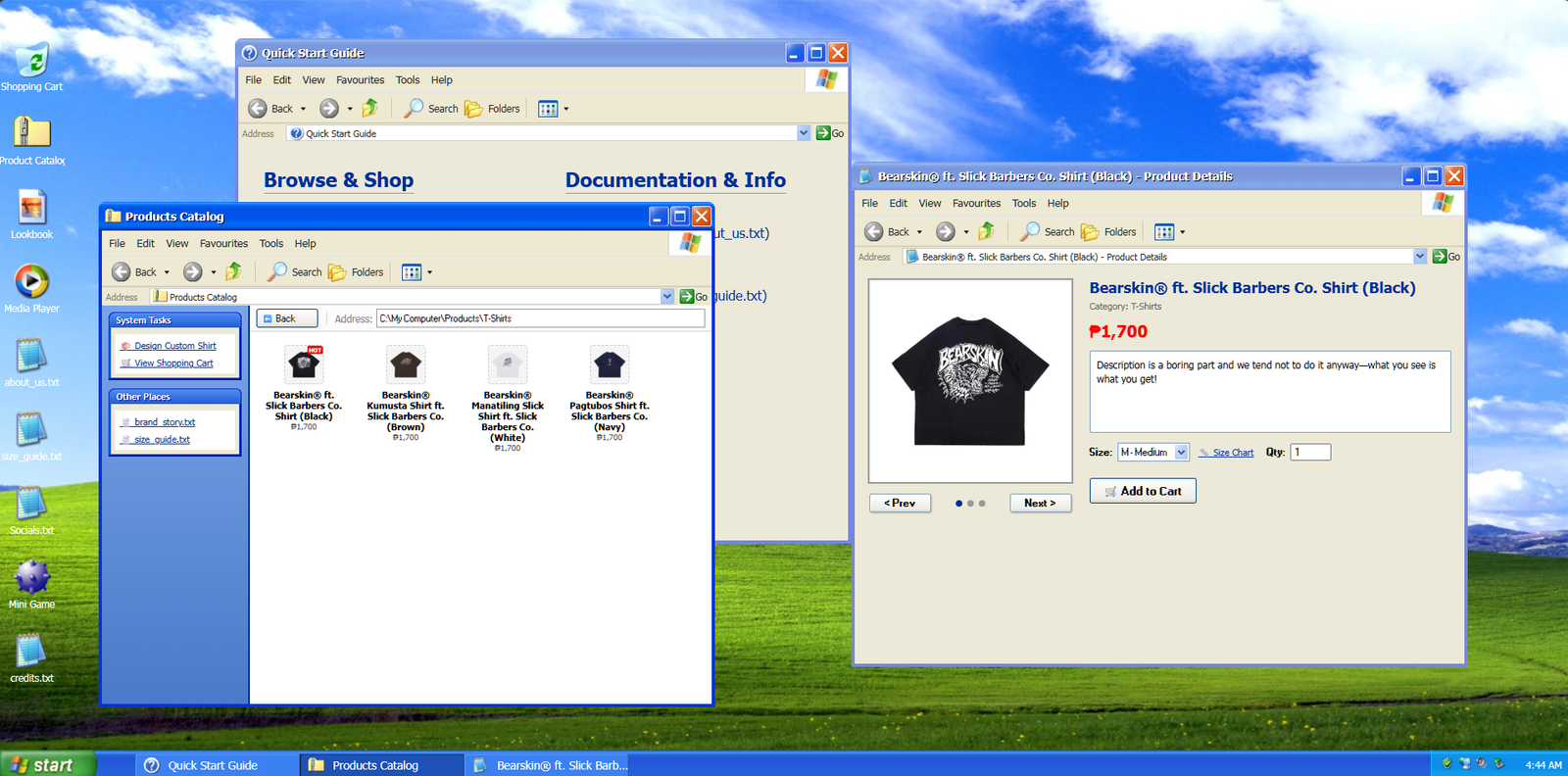
Hindi Para Sa Lahat — Next.js Application Engine
Domain: hindiparasalahat.online
Full-stack Next.js web application engineered by Topee Solutions. Features sub-second product page rendering, dynamic server-side inventory updates, responsive cart drawer UX, and serverless edge API endpoints. Built using modern React Server Components to deliver unbeatable mobile performance.
Explore Case Study DetailsOur 4-Step Next.js Development Lifecycle
How we take your application concept from wireframes to cloud edge deployment.
Data Architecture & API Modeling
We map database schemas, design TypeScript interfaces, plan state management, and establish API route blueprints.
React Component & UI Engineering
We build reusable React Server Components using clean CSS modules, ensuring 100% responsive visual fidelity.
Serverless Integration & Testing
We connect backend API routes, test database queries, run end-to-end user flows, and verify Core Web Vitals scores.
Cloud Deployment & Monitoring
We deploy your application to global Vercel or AWS edge infrastructure, connect custom domains, and enable error logging.
Next.js Technical Specifications
Every Next.js application built by Topee Solutions adheres to strict performance benchmarks.
100/100 Core Web Vitals
Engineered to pass Google Core Web Vitals tests with perfect scores across LCP, FID, and CLS benchmarks.
Strict TypeScript Type Safety
Built using strict TypeScript to eliminate runtime bugs and ensure maintainable, self-documenting codebases.
Automated Image Optimization
Native Next.js image optimization converting formats to WebP/AVIF with dynamic responsive srcSet sizing.
Serverless Edge API Proxy
Database credentials and secret API keys stay encrypted on the server, never exposed to client browsers.
Automatic Route Prefetching
Viewport-based route prefetching ensuring internal link clicks feel immediate and desktop-native.
Zero-Downtime Deployment
Instant atomic cloud deployments allowing code updates without interrupting live user sessions.
Frequently Asked Questions About Next.js Development
Next.js offers sub-second page loads, zero plugin security vulnerabilities, serverless cloud scalability, and superior mobile user experience while maintaining 100% search engine indexability.
Yes! We frequently pair Next.js frontend applications with Headless WordPress, Strapi, Sanity, or Contentful, giving non-technical teams a familiar CMS editor while delivering a lightning-fast React frontend.
Next.js is exceptionally good for SEO. Thanks to Server-Side Rendering (SSR) and Static Site Generation (SSG), search engine crawlers receive fully rendered HTML pages with optimized meta tags and structured schema.
We deploy Next.js applications on global edge server infrastructure such as Vercel, AWS Amplify, or custom Node.js cloud servers with global CDN caching enabled.
Ready to Build a High-Speed Next.js Web App?
Partner with Topee Solutions to engineer a custom full-stack React application powered by Next.js edge infrastructure.