
Why Next.js is Superior for Enterprise Web Speed & SEO Performance
As enterprise web applications grow in complexity, client-side React rendering introduces massive JavaScript bundle sizes and slow initial page loads. Next.js solves this by pairing Server-Side Rendering (SSR) and Static Site Generation (SSG) with React Server Components, delivering lightning-fast speed and effortless search engine indexation.
The Three Pillars of Next.js Rendering Strategy
How Next.js dynamically balances speed, fresh data, and server efficiency.
Static Site Generation (SSG)
Pages are pre-rendered into static HTML during initial build time. When a user requests the page, Cloudflare CDN serves it instantly from edge locations with zero server processing latency.
Server-Side Rendering (SSR)
HTML is generated dynamically on the server for each individual user request. Ideal for personalized dashboards, live stock levels, and real-time user session data.
Incremental Static Regeneration (ISR)
Update static pages in the background without rebuilding the entire application. Next.js revalidates individual page paths on a timer schedule (e.g., every 60 seconds).
Topee Solutions Next.js Adoption Decision Matrix
Evaluating when to upgrade legacy SPA applications to Next.js App Router.
CRA / Vite SPA Migration
If your React app currently suffers from blank screen rendering delays and poor Google search indexing, migrating to Next.js App Router restores instant server HTML visibility.
Monolithic PHP / Laravel Upgrade
Decouple backend API logic from frontend templates by adopting Next.js as a high-speed frontend, giving developers complete UI component flexibility.
Global Enterprise Scale
Deploy multi-region Next.js applications across AWS Lambda or Vercel Edge networks to serve international customers with low latency.
Topee Solutions Next.js Core Web Vitals Standard
How our development team guarantees 100/100 Mobile PageSpeed Insights scores.
Sub-1.0s Largest Contentful Paint
Using next/image with priority loading for hero visuals, eliminating render delay for initial viewport images.
Sub-50ms Interaction to Next Paint
Optimizing React state updates and splitting heavy click handlers with dynamic React.lazy imports.
0.00 Cumulative Layout Shift
Pre-allocating container dimensions for remote images and self-hosting Google Fonts with next/font.
On-Demand Cache Revalidation & Tag Purging
How Next.js achieves instant content updates without sacrificing static CDN speed.
On-Demand revalidateTag() & revalidatePath()
When product inventories or blog posts are updated in your CMS backend, Next.js fires an instant webhook call to revalidatePath('/shop') or revalidateTag('products'). Next.js purges only the affected edge cache pages immediately while keeping the rest of the site statically cached.
Stale-While-Revalidate (SWR) Execution
While a static page is being regenerated in the background, visitors continue receiving the cached static version instantly. Zero users experience loading spinners or slow server responses, guaranteeing a seamless 100/100 PageSpeed experience.
Next.js App Router vs Pages Router Performance
Why migrating to the React 19 App Router architecture dramatically reduces bundle bloat.
Legacy Pages Router Limitations
In the legacy Next.js Pages Router, every component rendered on a page had its JavaScript shipped to the client browser during hydration. This caused larger bundle sizes and slower First Input Delay (FID) metrics on mid-tier mobile devices in the Philippines.
Modern App Router Server Components
The App Router makes components Server Components by default. Server Components execute on the Node.js server and emit raw HTML string streams to the client browser, completely eliminating their JavaScript footprint from the client bundle.
Next.js Enterprise Security & API Isolation
Preventing API key exposure and enforcing server-side environment variable security.
Server-Only Environment Variables
Next.js strictly separates environment variables. Secret API credentials (like Stripe secret keys, PayMongo secret tokens, and database passwords) remain strictly on the server and are never bundled into client JavaScript, eliminating critical data leak risks.
Content Security Policy (CSP) Headers
With Next.js Edge Middleware, engineering teams inject custom Content Security Policy (CSP), Strict-Transport-Security (HSTS), and X-Frame-Options headers automatically on every response, protecting user sessions from cross-site scripting (XSS) attacks.
React Server Components (RSC) & Zero JS Overhead
Executing complex data fetching and heavy npm libraries exclusively on the server.
Traditional Client-Side React Bottlenecks
In traditional Single Page Applications (SPAs built with Create React App or standard Vite), the browser must download heavy JavaScript bundles, parse component logic, and execute client-side API requests before rendering any visual content to the user screen.
Next.js React Server Components Solution
Next.js App Router keeps heavy dependencies (like markdown parsers, date formatters, and database drivers) on the server. Only light interactive components (buttons, search inputs) ship client-side JavaScript, reducing total JS bundle size by up to 80%.
Next.js Edge Middleware & Serverless API Routes
Executing sub-10ms logic at the edge before incoming HTTP requests reach origin servers.
Edge Authentication & Geo-Redirection
Next.js Middleware runs on Vercel or Cloudflare Workers edge nodes globally. You can inspect user auth tokens, execute geolocation checks, and rewrite request headers in under 10 milliseconds, delivering instant localized experiences.
Native GCash & PayMongo Webhook Handlers
Next.js Route Handlers (app/api/route.ts) provide serverless API endpoints that listen for incoming payment confirmation webhooks from GCash, Maya, and PayMongo, updating database orders seamlessly with 99.99% uptime reliability.
Automatic Image & Font Optimization APIs
How Next.js eliminates Cumulative Layout Shift (CLS) and image bandwidth bloat.
Automatic WebP/AVIF Image Resizing
The built-in next/image component automatically compresses uploaded images into modern AVIF and WebP formats, serving exact responsive dimensions based on the visitor's device screen resolution.
Zero-CLS Google Font Hosting
The next/font module automatically downloads Google Fonts during build time and self-hosts them locally. This eliminates external DNS lookups to fonts.gstatic.com and prevents flash of unstyled text (FOUT).
Authentic Next.js Web App Built by Topee Solutions
See how we deployed Next.js App Router for high-traffic Philippine e-commerce brands.
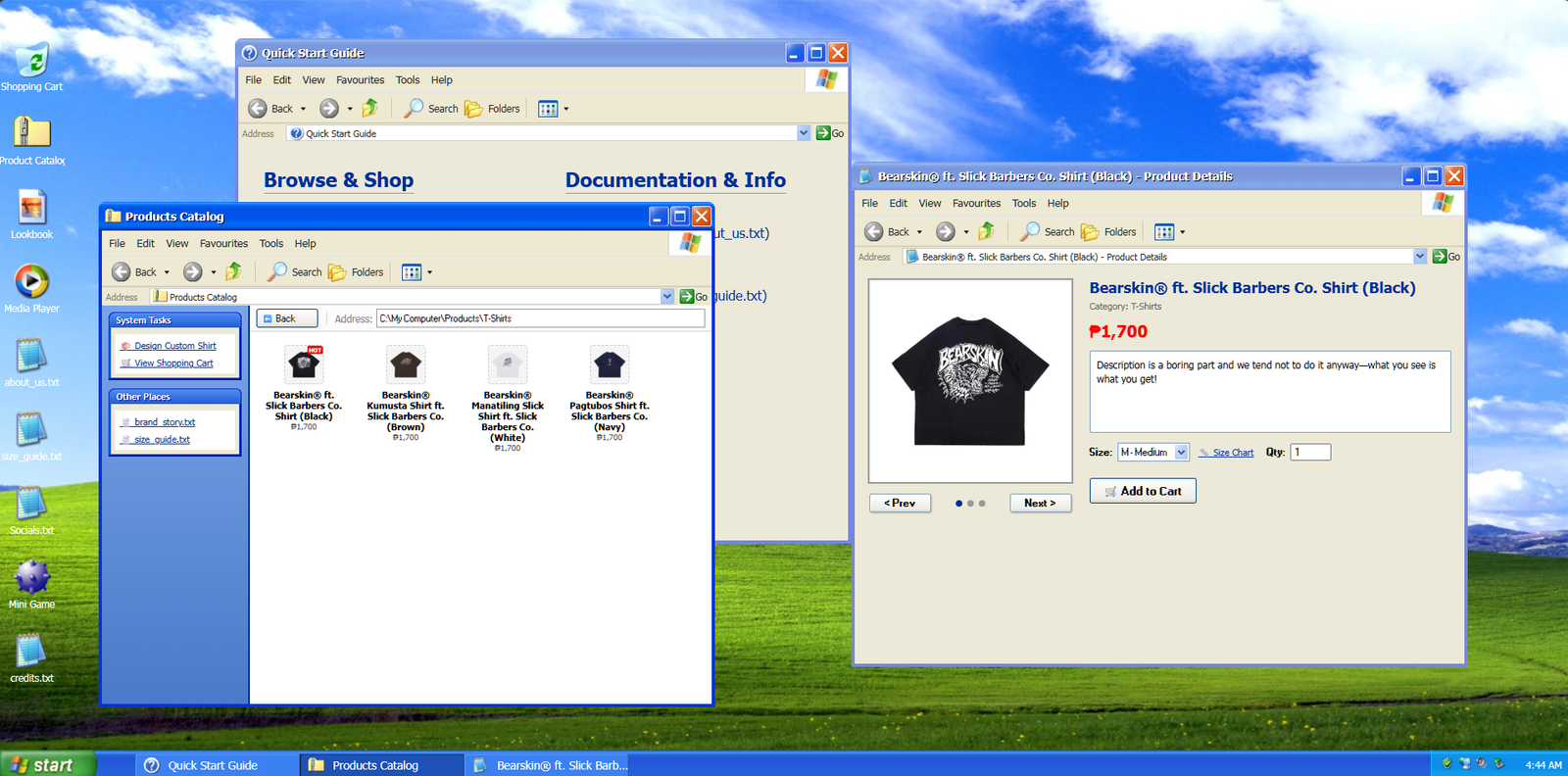
Hindi Para Sa Lahat
Domain: hindiparasalahat.online
Custom Next.js App Router e-commerce application featuring instant product filtering, serverless API cart management, and seamless GCash/PayMongo checkout integration.
Explore Next.js App Breakdown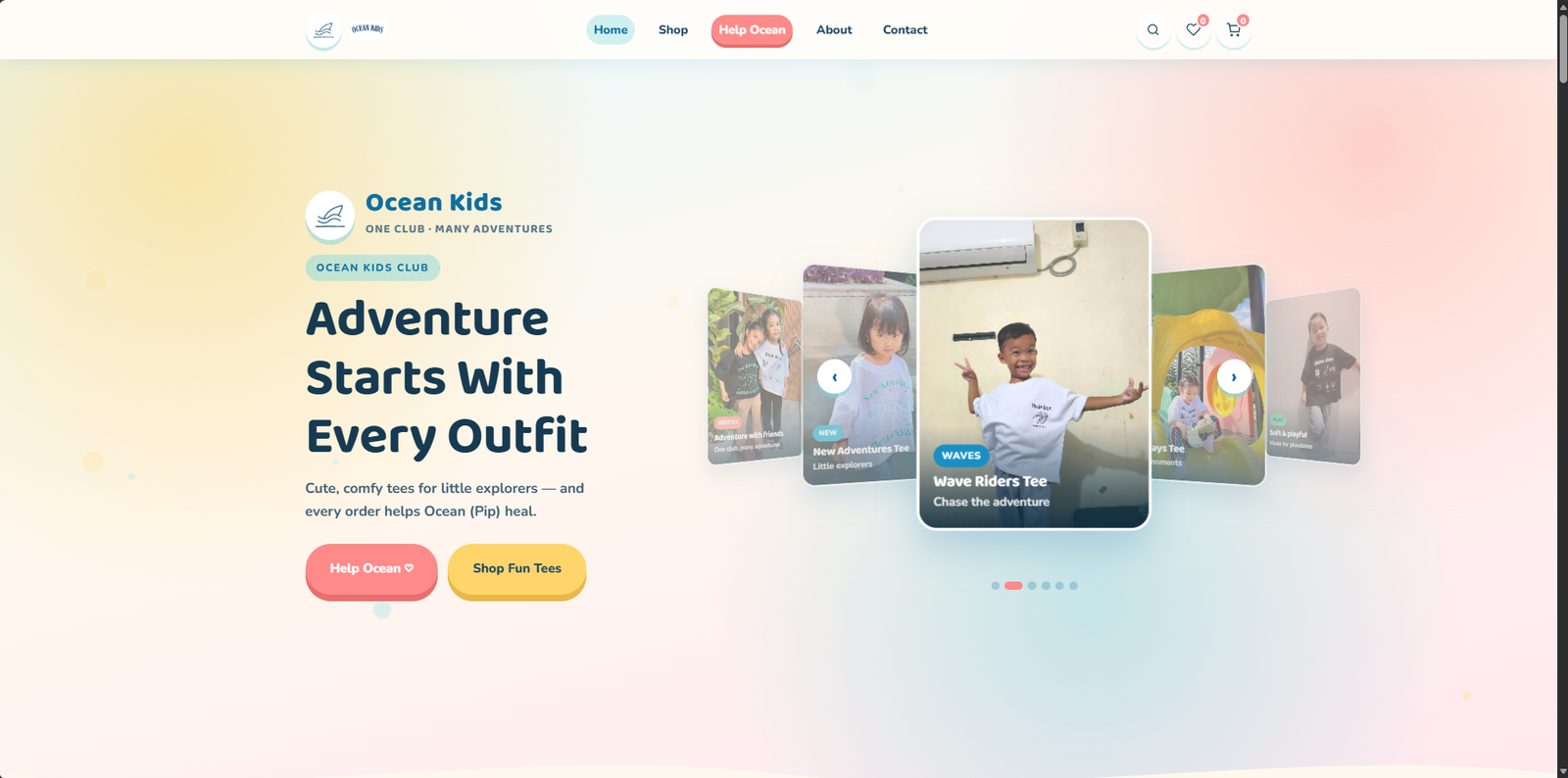
Ocean Kids Club Co
Domain: oceankidsclubco.shop
Modern retail platform featuring fast product catalog rendering over mobile networks and automated order management webhooks.
Explore Next.js App BreakdownWhen to Choose Next.js for Your Web Application
Key decision criteria for Philippine engineering teams and CTOs.
High-Traffic E-Commerce Stores
Next.js is the ideal framework for e-commerce platforms requiring thousands of static product pages paired with real-time inventory checking.
SaaS Dashboards & B2B Portals
Deploy secure authenticated user portals with server-side session management and zero client-side data leakage.
SEO-Critical Content Platforms
Ensure 100% of dynamically generated articles and landing pages are immediately indexed by Google search crawlers.
Frequently Asked Questions About Next.js Development
When deployed on serverless cloud platforms like Vercel, AWS Amplify, or Cloudflare Pages, Next.js hosting costs are extremely low for small-to-medium sites because static assets are cached at the edge while serverless functions only charge per execution.
Yes! Next.js seamlessly connects to Headless WordPress, Strapi, Sanity, Contentful, and custom GraphQL or REST APIs.
Ready to Build a Custom Next.js Web App?
Consult with Christopher Ramos and the technical engineering team at Topee Solutions to engineer your Next.js application.